|
You may have seen the adverts for Flykitt, an all-in-one travel system that claims to help eliminate jet lag, travel fatigue and even flight-related inflammation.
I first came across Flykitt when I was looking for ways to make long-haul travel a little easier, and I used the programme when I travelled to Nepal last year. It seemed to work — I followed the advice around sleep, light, food and supplements and arrived feeling surprisingly good. But I wasn't convinced it was a magic bullet. At well over CAD$100 once I'd paid for shipping, I also wondered whether I really needed all those supplements and special glasses — and whether it was worth the cost. So I decided to take a closer look, not just at Flykitt but at the individual strategies behind it — sleep, light, melatonin, meal timing, caffeine, supplements and more. What does the evidence actually support, and what might be little more than clever marketing? I've spent enough time travelling long-haul to know that jet lag can't be completely eliminated. But before travel became my second act, I was an Emergency Physician/A&E consultant, so I'm also used to asking a simple question: does this actually work? There is plenty of advice about beating jet lag online. Some is well supported, some is plausible, and some is based on very little evidence. So let's separate the science from the hype and work out what is actually worth doing based on science— and what I’d probably ignore
0 Comments
Getting sick while travelling can quickly put a dampener on your trip. The good news is that a few simple habits can significantly reduce your risk.
The most common travel illnesses are often caused by eating or drinking something contaminated with bacteria, viruses or parasites. You can't eliminate the risk completely — and trying to do so can take some of the fun out of travelling — but you can stack the odds in your favour. When planning any trip, prioritising safety is essential. Careful preparation helps you avoid common pitfalls and ensures a smoother, more enjoyable journey. In this short post, I’ll share practical tips to help you plan effectively and stay safe while travelling. “(S)he who fails to plan is planning to fail.” Winston Churchill
 This edition shares travel inspiration drawn from my recent journey across Europe, including insights from Normandy, Vimy, Alsace, Milan, Bologna, and Umbria.
It features updates on upcoming hosted tours to Nepal, Colombia, and Northern India, highlighting their unique experiences and availability. The newsletter also considers a new slow travel concept focused on immersive weeklong stays in single European locations. Additionally, there's a preview of an upcoming Galapagos liveaboard adventure with Intrepid Travel, plus a recommended BBC article on top travel destinations for 2025. Click below to read the full newsletter and plan your organised adventure.  How many times have you succumbed to the sales pitch and piled on extra insurance at the rental desk due to pure panic, indecision, or simply playing it safe? Probably more often than you/I'd dare to confess!
Here's a quick rundown of the various insurance types and how to secure extra coverage for less than the steep fees at the car hire pickup desk. NOTE: The links provided aren't affiliate links; they're simply handy resources. You've probably come across the buzzwords "sustainable" and "responsible" travel, but understanding their true meaning is important for making informed choices that benefit the environment and local communities. With the travel industry contributing around 8% of global greenhouse gas emissions and dealing with issues like over tourism and tourism leakage—where profits favour foreign multinationals over the local economy—grasping these concepts allows you to ensure your adventures contribute positively, rather than detract from the places you visit.
What is Sustainable Travel? The Key features are:
Sustainable travel, as defined by the UN World Tourism Organisation, is travel that takes full account of current and future economic, social, and environmental impacts, addressing the needs of visitors, the industry, the environment, and host communities. What is the difference between responsible and sustainable travel?Whilst sustainable tourism concentrates on companies changing policies and raising awareness to ensure future protection, responsible tourism is about what you, as an individual, can do to minimise negative impacts and support local communities. In short; responsible travellers make sustainable choices. How Can I Travel Responsibly?Click the READ MORE button to find out how
When it comes to travelling, packing efficiently can make a world of difference. Here are some top tips to ensure you pack smartly for your next adventure: 1. Start with Not Overpacking
2. Decant your Liquids
Planning a trip is an exciting endeavour, but it's essential to budget and manage your finances wisely to make the most of your journey. From estimating your expenses & using ATMs wisely to dividing your money and carrying emergency funds, smart money management is key to enjoying your holiday to the fullest. By following these tips, you can navigate currency exchange, payment methods, and budgeting effectively, allowing you to focus on creating unforgettable memories during your getaway.  Estimating Expenses:Research the cost of living in your intended destinations to set a realistic budget. e.g. Western European countries tend to be more expensive than Eastern European destinations, but Portugal is generally cheaper than Spain. Websites like Global Price are very helpful for this research. Determine your daily budget by accounting for accommodation, meals, transportation, activities, tips, and any other miscellaneous expenses.  Preparing for your upcoming trip involves more than just picking out clothes and booking accommodations. One essential aspect of travel planning is ensuring you have all the necessary toiletries and first aid kit essentials, to make your journey smooth and comfortable. In this blog post, I will explore these elements to help you pack efficiently. Don’t forget that when it comes to cabin / carry-on toiletries, there are specific guidelines to follow: all containers of liquids, non-solid food, and personal items like aerosols and gels must be 100 ml (100 g) or less and fit into a single clear, resealable plastic bag that is no more than 1L in capacity. Each passenger is permitted one such bag.
ToiletriesYou can save a lot of space and weight in your luggage by minimizing toiletries and eliminating certain items altogether. So, decant everything into smaller containers and plan to buy it locally if you run out.
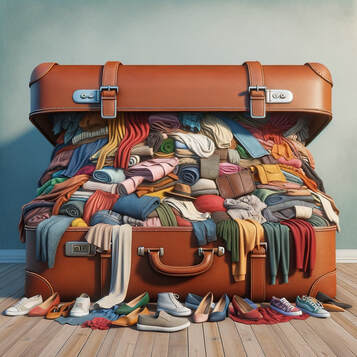
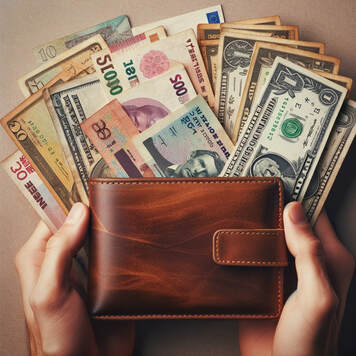
Take “half the clothes and double the money”While doubling your budget may not be possible, reducing your luggage is achievable. Carrying a lighter load makes navigating through crowded airports and public transport easier and reduces the chances of losing items. Even on longer trips, packing quick-drying clothes and decanting liquids can help you manage with less stuff. So, pack light and bring only the essentials, even if you plan to check your bag.
My General Packing “Rules”: My 10 essential guidelines for choosing what to pack are:
|



|
WOMEN GO TRAVEL
|